


I have a couple thousand hours of sitting meditation since college (20+ years), but my mind still races. Like many people, I have tried devices and gadgets like EEG headbands, transcranial direct current stimulation, and VR meditation apps, all in the hopes of finding peace and quiet.
Needless to say, my closet is filled with ineffective devices and tools that failed to live up to their promise.
Too good to be true?
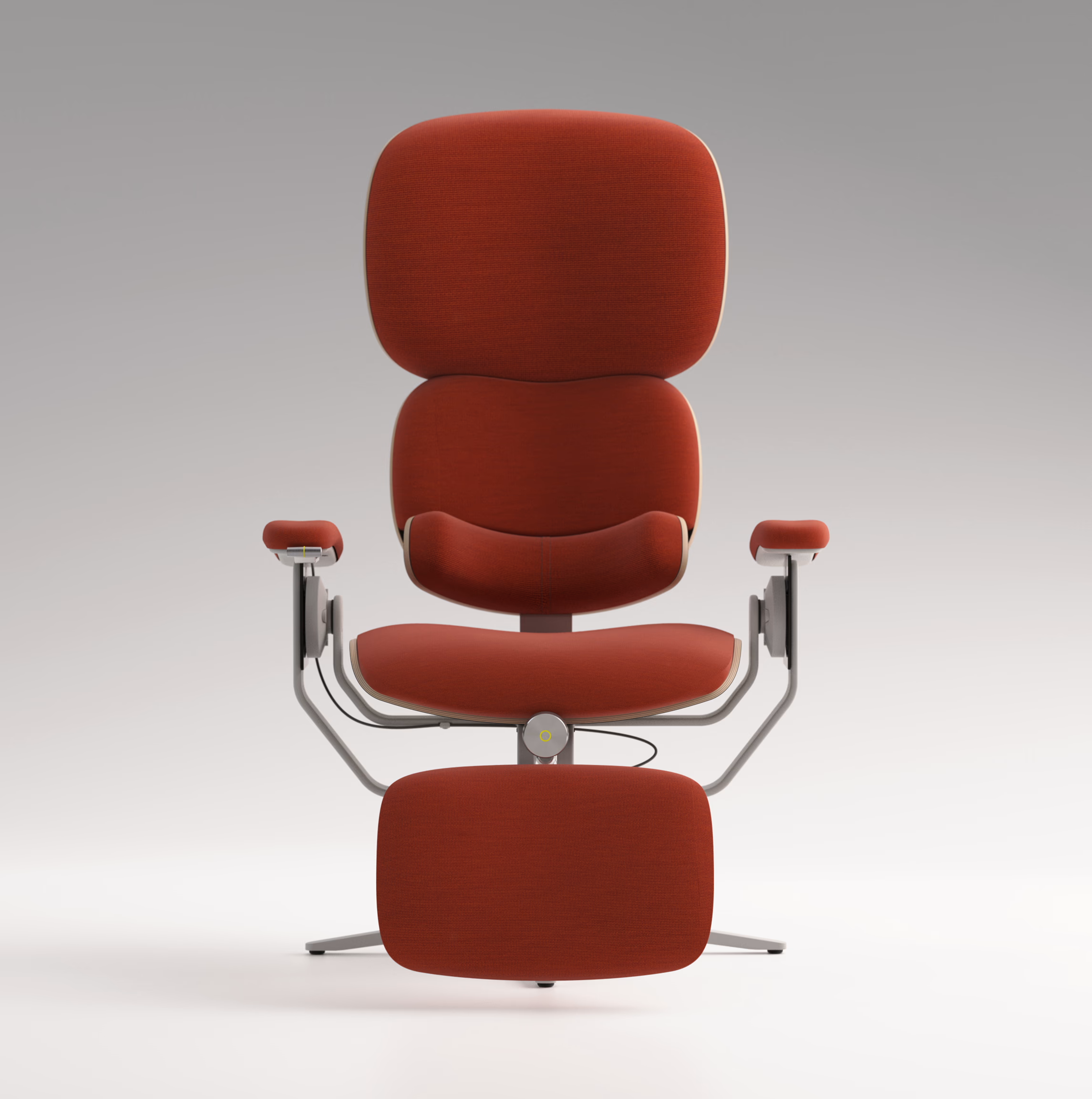
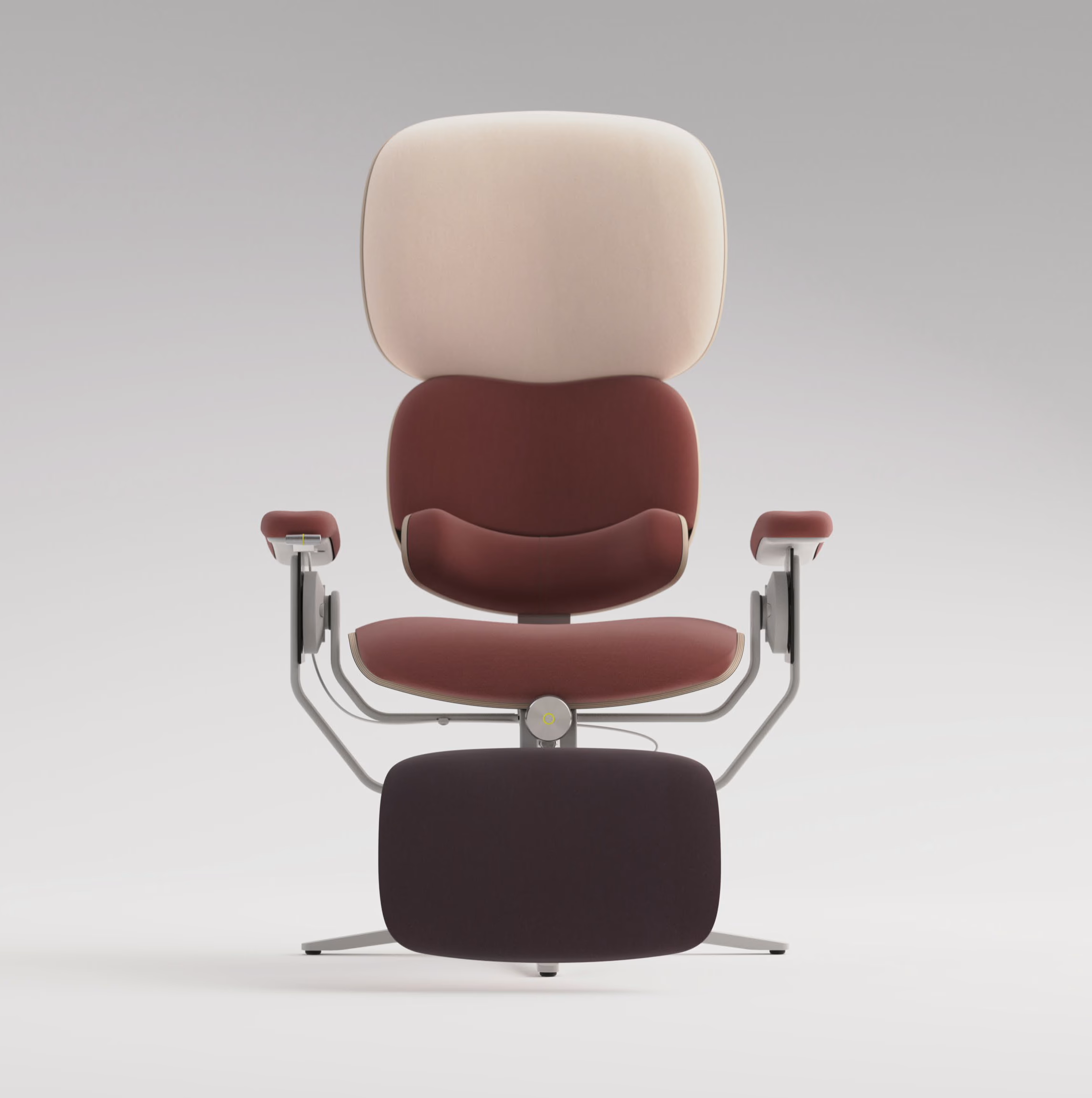
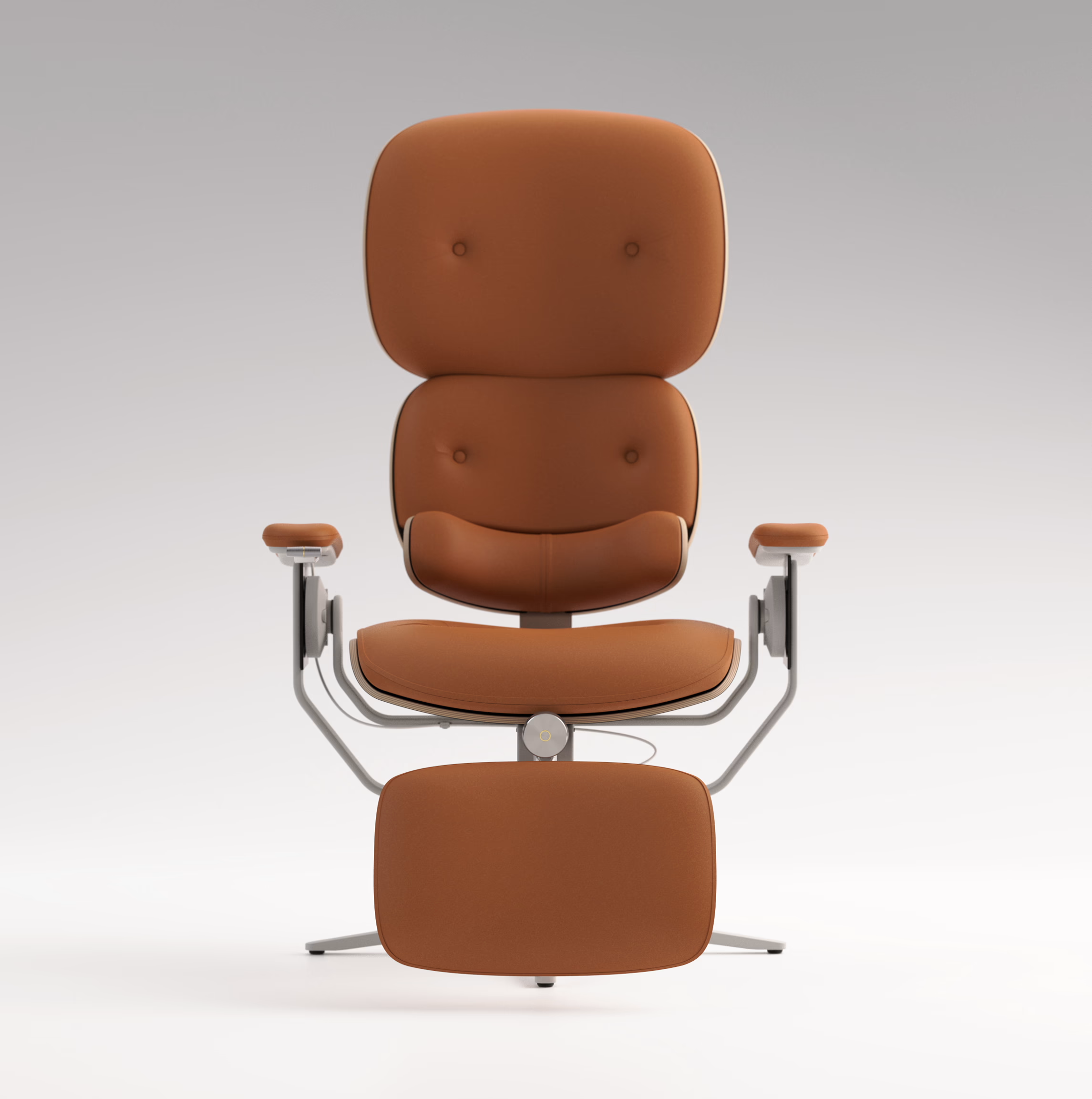
When I found Aiora, it seemed too good to be true. How could reclining in a chair facilitate brain oscillations like those of longtime meditators? Is that even possible?
The reward far outweighed the risk. Two weeks should be enough time for Aiora to prove itself, I thought. How about one sitting? In all honesty, my very first time sitting in Aiora ushered in one of the deepest meditative experiences I have ever had. It is very hard to explain in words what exactly happened but suffice to say, my mind went very, very quiet. It was 100% effortless.
David (Aiora's creator) has explained to me this is because the right hemisphere becomes much more dominant and the left hemisphere quiets down. This would account for why meditation has always been a struggle and why Aiora immediately alleviated my chief struggle in meditation.
Priming the mind to be quiet
Honestly, Aiora feels like cheating in the best way. I now believe that Aiora is a perfect precursor activity to a sitting meditation as it primes the mind to be quiet.
In fact, the afterglow effect of Aiora lasts me an hour or two after emerging from the chair. I have only had Aiora for a week and there is still much to the chair and the experience to explore. It has exceeded my expectations.
Dream images, while awake
The visuals are unlike anything I have seen before and much more than visuals. They are dream images, this is distinctly what they feel like, but they emerge while I am awake in the chair. They are not daydreams as they come fully formed and in media res.
They are archetypal in nature and are teaching me things about mindfulness, ego, and nondualism. They exist for only a handful of seconds but carry the entire arc of a narrative. Perhaps most striking is they sometimes “break the fourth wall” and speak directly to me.
As a brief example, a short, round woman (perhaps a baker?) interrupted a meditation a week ago to scold me. She said it had already been thirty minutes and I needed to be about my day. I decided this was reason enough to end my sit and sure enough, when I looked at my meditation timer, just a few seconds over 30 minutes had elapsed.
My dreams rarely, if ever, speak directly to what I would call my ego but this is commonplace in Aiora. Very strange and very interesting!
Another brief example: The sit I had before writing this email showed me the image of soldiers burning down houses of revolutionaries. The archetypal “feeling” or intuition told me that this was like my attempts to be rid of thoughts. Just as violence begets violence, thinking about not thinking begets thinking.
What a strange and wonderful gift it is to float in Aiora… I find that one 20 minute sit is “good enough” but two sits or a longer sit is heavenly.
Customer service
In terms of customer service, DavidHugh is no less impressive.
As my chair was being constructed, the DavidHugh team, including Aiora's creator David Wickett, was in near constant communication. This was my first international purchase and it couldn't have been easier. Clear instructions were emailed to me every step of the journey.
Once the chair arrived, it was as elegant in assembly as it was in appearance. David Wickett made himself personally available by video call to explain, step-by-step, how to optimize the Aiora experience. And beyond simply ensuring that the product arrives, the founder sincerely wants the consumer to have the best experience possible.
You can tell that the DavidHugh team is invested in their customers and supremely confident in their product. Honestly, this is the kind of customer service one expects when making a purchase like this but so seldom receives.