

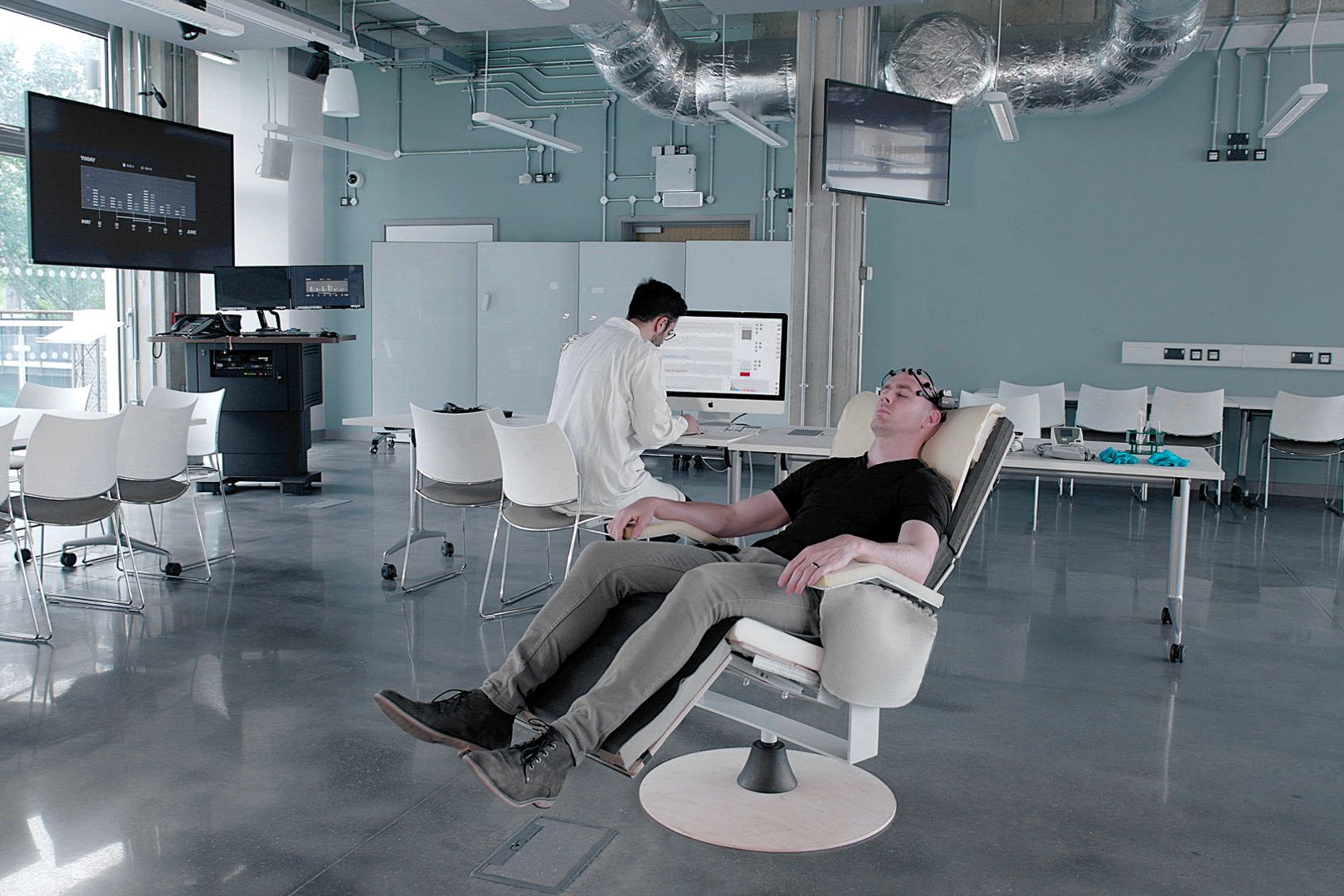

The Art of Absolute Subtraction: Why Purpose is the Only Metric of Beauty
The Illusion of Perfection
We are conditioned to believe that design is an additive process. We imagine the creator throwing clay, layering textures, and adding features until a product feels "complete." But true excellence operates in reverse.
Perfection in design is not achieved when there is nothing left to add, but when there is nothing left to remove.
When you strip away the noise, the decoration, and the superfluous status symbols, you are left with something far more potent: raw utility. This is the philosophy that separates temporary trends from timeless engineering.
The Core Philosophy: Functional Minimalism
Functional minimalism is not just an aesthetic choice; it is a discipline. It demands that every line, every material, and every mechanical joint justify its existence. If a component does not serve a direct, unyielding purpose, it is a distraction.
The DavidHugh Approach
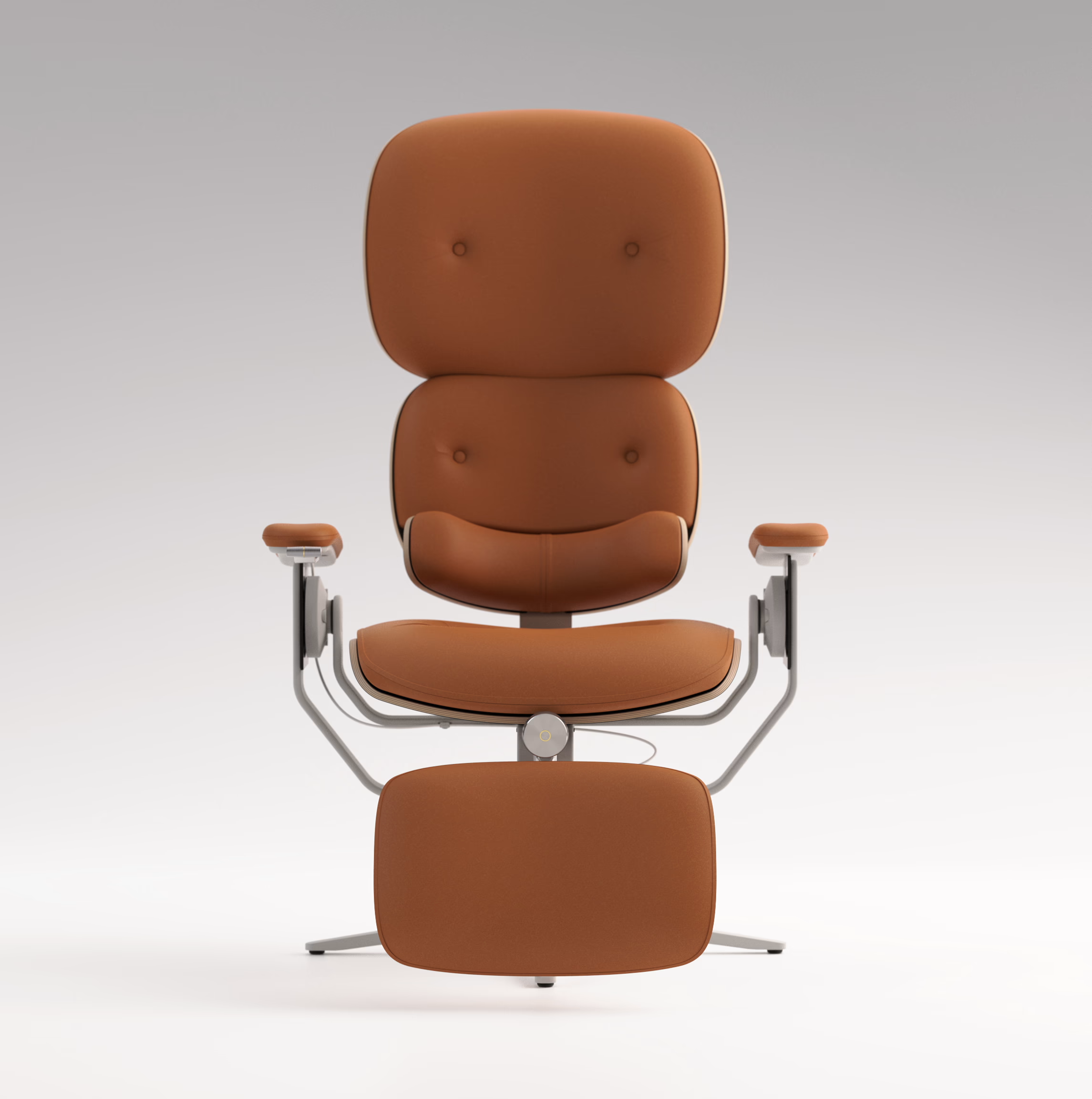
DavidHugh products exist at the absolute pinnacle of this philosophy. They do not seek to decorate a room or clamor for attention through gaudy embellishments. Instead, they command presence through pure, unadulterated intent.
- Elimination of the Superfluous: Every element is scrutinized. If a mechanism can be simplified, it is. If a material can do the work of two, it does.
- Objective-Driven Form: The shape of the product is dictated entirely by its required performance. The curve is there because physics demands it, not because a designer fancied it.
- Structural Integrity: When you remove the fluff, the core structure must be flawless. There is no cladding to hide mistakes.
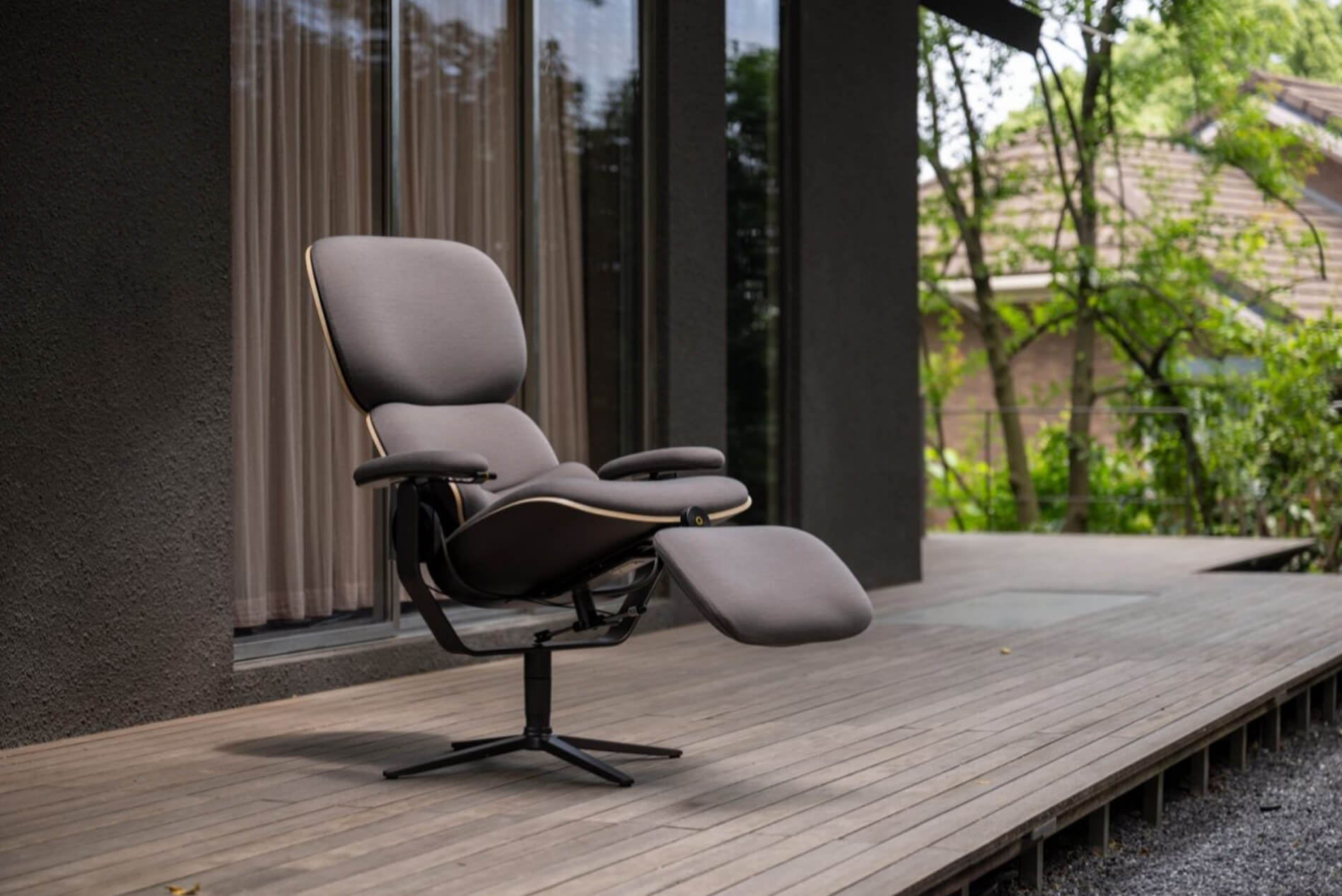
Purpose as the Ultimate Metric
In a world obsessed with superficial aesthetics, we must redefine how we measure excellence.
"Purpose is the only metric of beauty."
A product that functions perfectly creates a distinct type of harmony. It aligns human need with physical reality. When a design achieves this level of focus, it stops being an object and becomes an extension of the user.
Redefining the Standard
Traditional Design Functional Minimalism (DavidHugh)
- Focuses on visual trends
- Focuses on ergonomic and physical truth
- Adds features for marketability
- Subtracts features for clarity and longevity
- Hides mechanics behind facades
- Integrates mechanics into the form itself
The Freedom of Less
Choosing functional minimalism is an act of confidence. It requires trusting that the core utility of an object is enough to sustain its value. By demanding that everything serves a specific objective, we eliminate the clutter that degrades our focus and our spaces.
Look at the objects around you. Challenge their existence. If they do not serve a definitive purpose, they are merely taking up space in a life that deserves clarity. True beauty doesn't ask to be looked at—it simply works, flawlessly, in the background.